Skip to content
  • Hjem
  • Seneste
  • Etiketter
  • Populære
  • Verden
  • Bruger
  • Grupper
Temaer
  • Light
  • Brite
  • Cerulean
  • Cosmo
  • Flatly
  • Journal
  • Litera
  • Lumen
  • Lux
  • Materia
  • Minty
  • Morph
  • Pulse
  • Sandstone
  • Simplex
  • Sketchy
  • Spacelab
  • United
  • Yeti
  • Zephyr
  • Dark
  • Cyborg
  • Darkly
  • Quartz
  • Slate
  • Solar
  • Superhero
  • Vapor

  • Default (No Skin)
  • No Skin
Kollaps
FARVEL BIG TECH
  1. Forside
  2. Ikke-kategoriseret
  3. 🌕BATS FOR BATS🦇

🌕BATS FOR BATS🦇

Planlagt Fastgjort Låst Flyttet Ikke-kategoriseret
12 Indlæg 5 Posters 0 Visninger
  • Ældste til nyeste
  • Nyeste til ældste
  • Most Votes
Svar
  • Svar som emne
Login for at svare
Denne tråd er blevet slettet. Kun brugere med emne behandlings privilegier kan se den.
  • camelliakyoto@mastodon.socialC camelliakyoto@mastodon.social

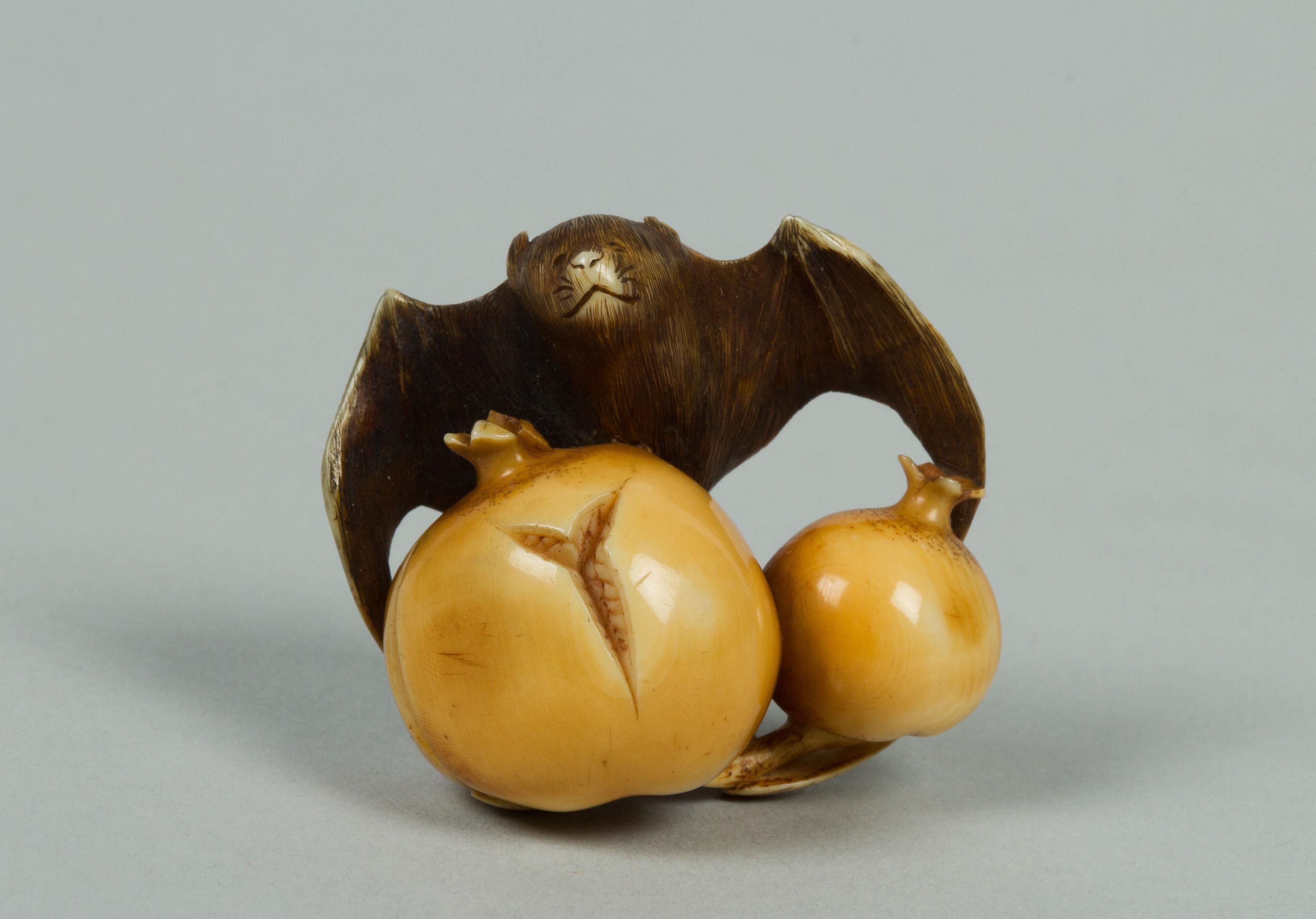
    🌕BATS FOR BATS🦇

    Unlike many countries, in Japan bats have long been considered auspicious symbols...their images used on everything from sword sheaths to kimono.

    In China the word for bat (fù 蝠) was a homonym for 'wealth' or 'fortune' (fù 富), and over time the bat became connected to good luck.

    camelliakyoto@mastodon.socialC This user is from outside of this forum
    camelliakyoto@mastodon.socialC This user is from outside of this forum
    camelliakyoto@mastodon.social
    wrote sidst redigeret af
    #2

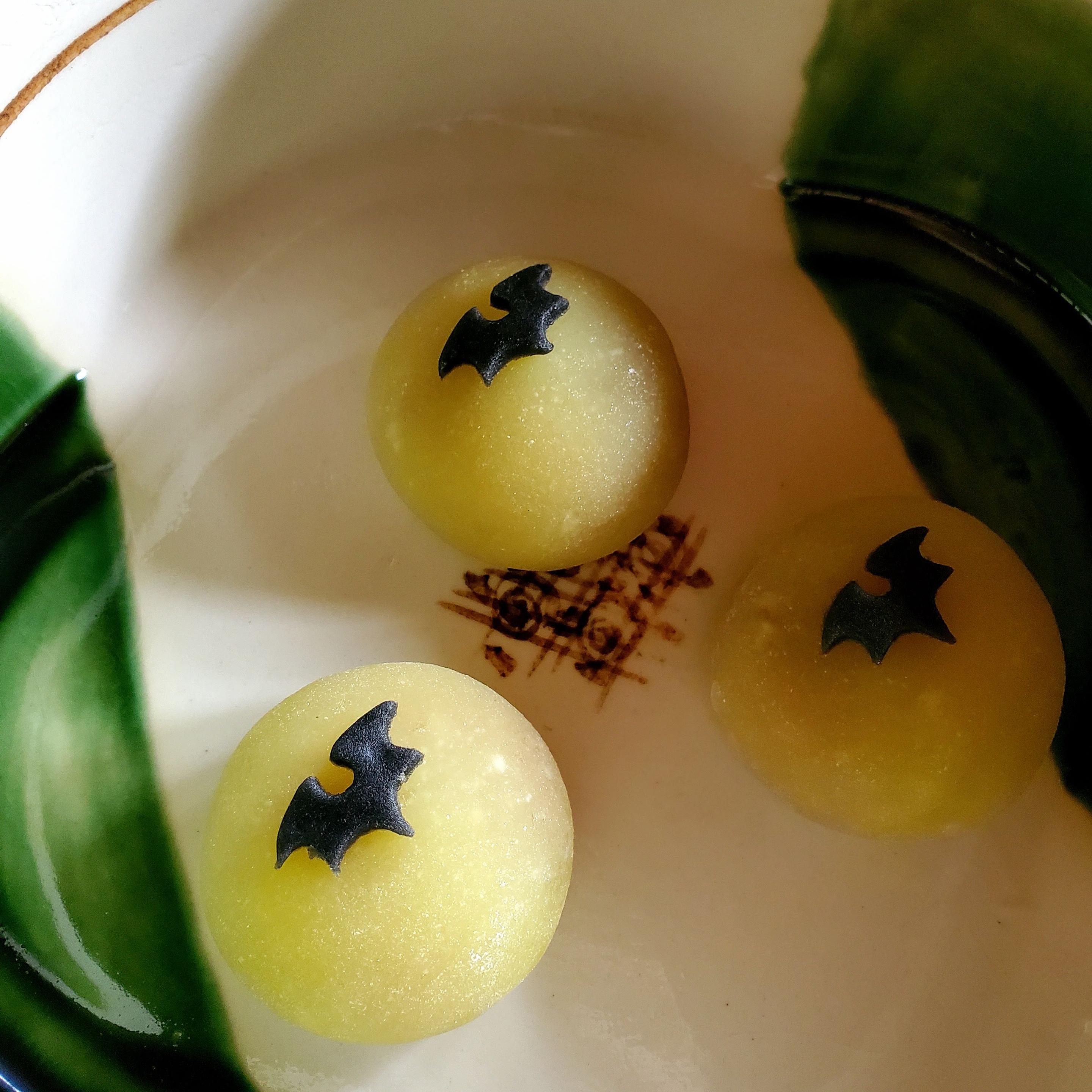
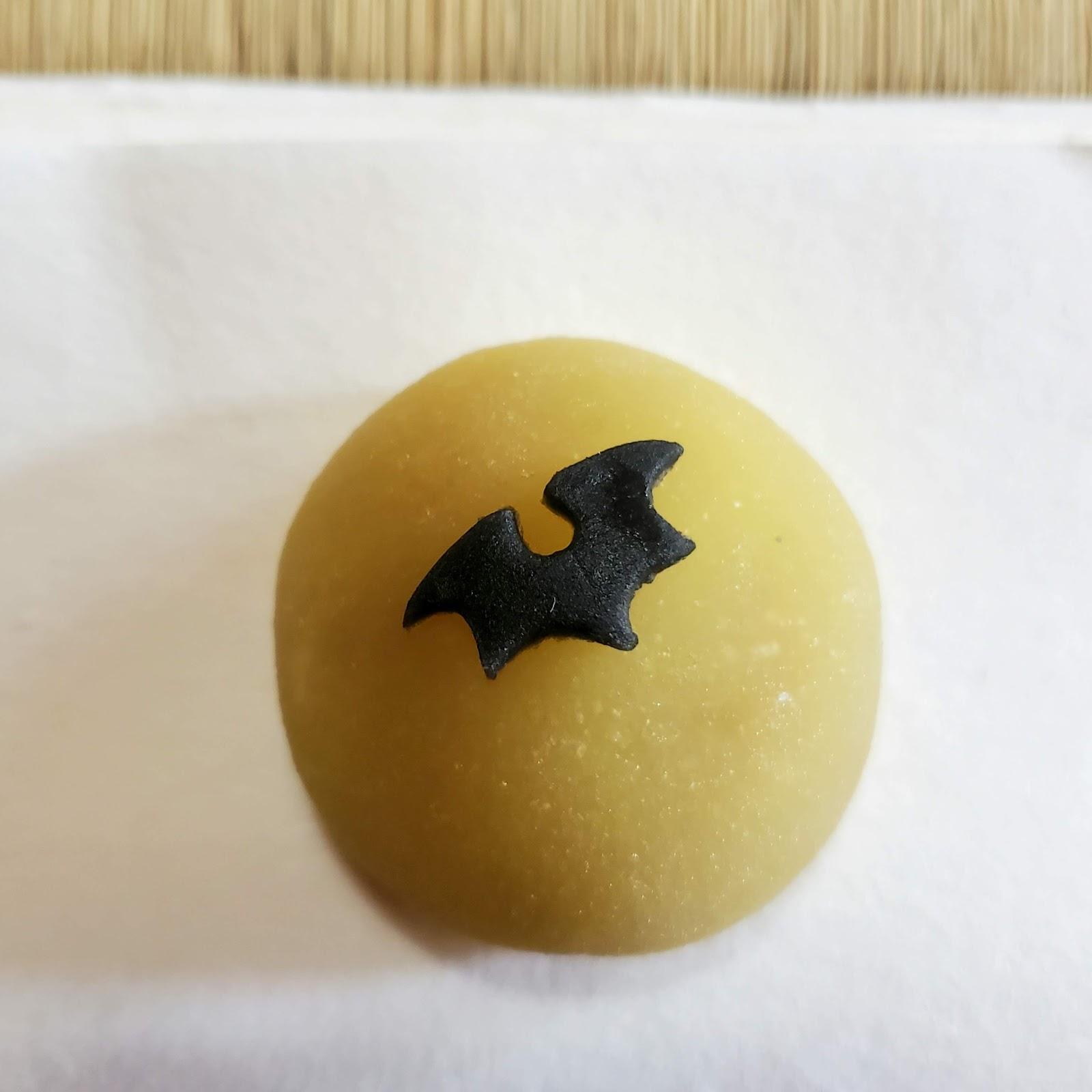
    Kameya Yoshinaga's (亀屋良長) 'MOON' depicts, unsurprisingly, a bat skimming across a full moon🦇

    The inside bean paste was wonderfully flavored with caramelized nuts.

    #蝙蝠 #bats #wagashi #和菓子 #Kyoto #京都

    thedonsielass@mas.toT camelliakyoto@mastodon.socialC 2 Replies Last reply
    0
    • camelliakyoto@mastodon.socialC camelliakyoto@mastodon.social

      Kameya Yoshinaga's (亀屋良長) 'MOON' depicts, unsurprisingly, a bat skimming across a full moon🦇

      The inside bean paste was wonderfully flavored with caramelized nuts.

      #蝙蝠 #bats #wagashi #和菓子 #Kyoto #京都

      thedonsielass@mas.toT This user is from outside of this forum
      thedonsielass@mas.toT This user is from outside of this forum
      thedonsielass@mas.to
      wrote sidst redigeret af
      #3

      @camelliakyoto I love bats and appreciate that unlike in so much of the West, Japan is among the places and cultures that have sufficiently positive regard for bats to feature them on decorative arts regularly

      1 Reply Last reply
      0
      • camelliakyoto@mastodon.socialC camelliakyoto@mastodon.social

        Kameya Yoshinaga's (亀屋良長) 'MOON' depicts, unsurprisingly, a bat skimming across a full moon🦇

        The inside bean paste was wonderfully flavored with caramelized nuts.

        #蝙蝠 #bats #wagashi #和菓子 #Kyoto #京都

        camelliakyoto@mastodon.socialC This user is from outside of this forum
        camelliakyoto@mastodon.socialC This user is from outside of this forum
        camelliakyoto@mastodon.social
        wrote sidst redigeret af
        #4

        The name for bat in Japan is 'kōmori' (蝙蝠)...possibly this derived from 'kawamori' (川守 'protecting rivers'), 'kawahari' (皮貼り 'skin stretched [between bones]'), 'kahofuri' (蚊屠り 'mosquito vanquisher') or 'ka-o-hori' (蚊を欲り 'craving mosquitoes')🦇🦇
        #Japan #蝙蝠 #bats

        camelliakyoto@mastodon.socialC 1 Reply Last reply
        0
        • camelliakyoto@mastodon.socialC camelliakyoto@mastodon.social

          🌕BATS FOR BATS🦇

          Unlike many countries, in Japan bats have long been considered auspicious symbols...their images used on everything from sword sheaths to kimono.

          In China the word for bat (fù 蝠) was a homonym for 'wealth' or 'fortune' (fù 富), and over time the bat became connected to good luck.

          peoplearepower@mastodon.socialP This user is from outside of this forum
          peoplearepower@mastodon.socialP This user is from outside of this forum
          peoplearepower@mastodon.social
          wrote sidst redigeret af
          #5

          @camelliakyoto That's interesting.🦇

          1 Reply Last reply
          0
          • camelliakyoto@mastodon.socialC camelliakyoto@mastodon.social

            The name for bat in Japan is 'kōmori' (蝙蝠)...possibly this derived from 'kawamori' (川守 'protecting rivers'), 'kawahari' (皮貼り 'skin stretched [between bones]'), 'kahofuri' (蚊屠り 'mosquito vanquisher') or 'ka-o-hori' (蚊を欲り 'craving mosquitoes')🦇🦇
            #Japan #蝙蝠 #bats

            camelliakyoto@mastodon.socialC This user is from outside of this forum
            camelliakyoto@mastodon.socialC This user is from outside of this forum
            camelliakyoto@mastodon.social
            wrote sidst redigeret af
            #6

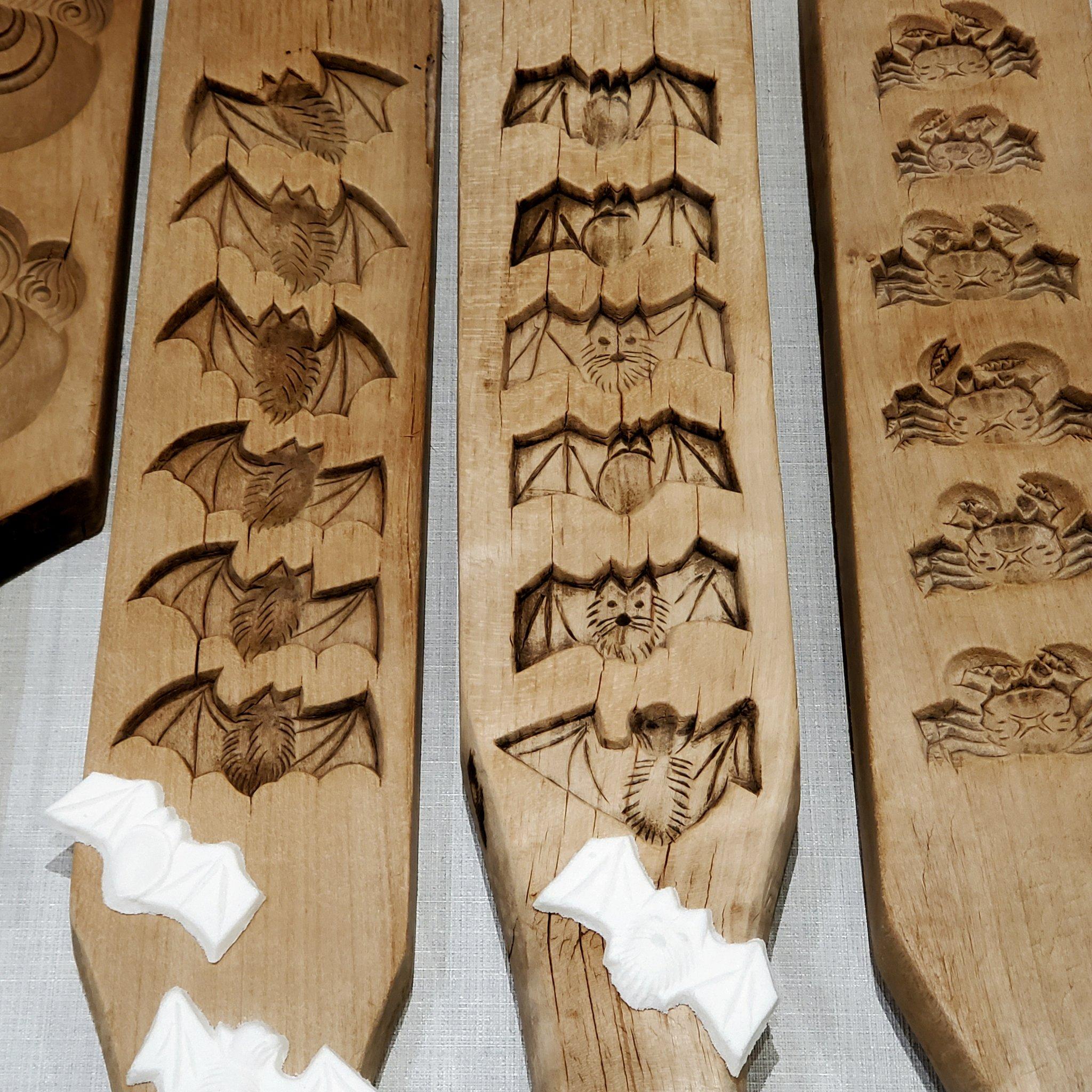
            The most common type of higashi use wooden molds called 'kigata' (木型) to create intricate designs in sugar.

            Some of the most remarkable kigata use bats as inspiration...one artist even borrowing the face of a cat to create a strange hybrid.

            camelliakyoto@mastodon.socialC 1 Reply Last reply
            0
            • camelliakyoto@mastodon.socialC camelliakyoto@mastodon.social

              The most common type of higashi use wooden molds called 'kigata' (木型) to create intricate designs in sugar.

              Some of the most remarkable kigata use bats as inspiration...one artist even borrowing the face of a cat to create a strange hybrid.

              camelliakyoto@mastodon.socialC This user is from outside of this forum
              camelliakyoto@mastodon.socialC This user is from outside of this forum
              camelliakyoto@mastodon.social
              wrote sidst redigeret af
              #7

              In China the god of happiness, 'Fuxing' (福星), was often depicted as a bat, or garbed in robes embroidered with bats.

              Two bats came to symbolize true happiness, and five bats the 'five blessings' of longevity, wealth, virtuousness, tranquility and an honored (natural) death.

              elaterite@mastoart.socialE camelliakyoto@mastodon.socialC 2 Replies Last reply
              0
              • camelliakyoto@mastodon.socialC camelliakyoto@mastodon.social

                In China the god of happiness, 'Fuxing' (福星), was often depicted as a bat, or garbed in robes embroidered with bats.

                Two bats came to symbolize true happiness, and five bats the 'five blessings' of longevity, wealth, virtuousness, tranquility and an honored (natural) death.

                elaterite@mastoart.socialE This user is from outside of this forum
                elaterite@mastoart.socialE This user is from outside of this forum
                elaterite@mastoart.social
                wrote sidst redigeret af
                #8

                @camelliakyoto "In China the god of happiness, 'Fuxing' (福星), was often depicted as a bat..." Nice! I love that a culture depicts bats in such a positive way! 🦇😍

                1 Reply Last reply
                0
                • camelliakyoto@mastodon.socialC camelliakyoto@mastodon.social

                  In China the god of happiness, 'Fuxing' (福星), was often depicted as a bat, or garbed in robes embroidered with bats.

                  Two bats came to symbolize true happiness, and five bats the 'five blessings' of longevity, wealth, virtuousness, tranquility and an honored (natural) death.

                  camelliakyoto@mastodon.socialC This user is from outside of this forum
                  camelliakyoto@mastodon.socialC This user is from outside of this forum
                  camelliakyoto@mastodon.social
                  wrote sidst redigeret af
                  #9

                  One of my favourite ukiyoe subjects is the famed swordsman Miyamoto Musashi (宮本武藏 1584-1645) fighting a nobusuma in the mountains of Tanba (丹波国).
                  A 'nobusuma' (野衾) or 'tobikura' (飛倉) is a bat that transforms into a yōkai with old age.

                  camelliakyoto@mastodon.socialC 1 Reply Last reply
                  0
                  • camelliakyoto@mastodon.socialC camelliakyoto@mastodon.social

                    🌕BATS FOR BATS🦇

                    Unlike many countries, in Japan bats have long been considered auspicious symbols...their images used on everything from sword sheaths to kimono.

                    In China the word for bat (fù 蝠) was a homonym for 'wealth' or 'fortune' (fù 富), and over time the bat became connected to good luck.

                    em@lsbt.meE This user is from outside of this forum
                    em@lsbt.meE This user is from outside of this forum
                    em@lsbt.me
                    wrote sidst redigeret af
                    #10

                    @camelliakyoto @mycrowgirl

                    1 Reply Last reply
                    0
                    • camelliakyoto@mastodon.socialC camelliakyoto@mastodon.social

                      One of my favourite ukiyoe subjects is the famed swordsman Miyamoto Musashi (宮本武藏 1584-1645) fighting a nobusuma in the mountains of Tanba (丹波国).
                      A 'nobusuma' (野衾) or 'tobikura' (飛倉) is a bat that transforms into a yōkai with old age.

                      camelliakyoto@mastodon.socialC This user is from outside of this forum
                      camelliakyoto@mastodon.socialC This user is from outside of this forum
                      camelliakyoto@mastodon.social
                      wrote sidst redigeret af
                      #11

                      The transformation of aging bats does not end with them becoming nobusuma (野衾).
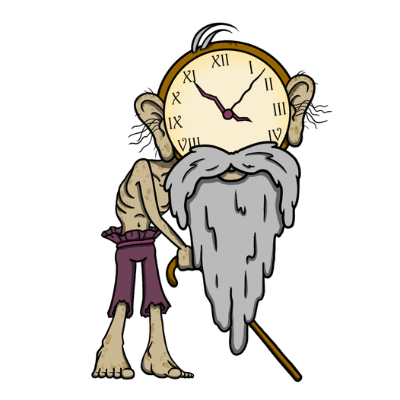
                      Nobusuma, when old, become 'yamachichi' (山地乳) or 'momonjii' (百々爺 - a violent old man that assaults passersby).
                      Yamachichi subsist on the breath of sleeping humans (who will die the next day!)😱

                      camelliakyoto@mastodon.socialC 1 Reply Last reply
                      0
                      • camelliakyoto@mastodon.socialC camelliakyoto@mastodon.social

                        The transformation of aging bats does not end with them becoming nobusuma (野衾).
                        Nobusuma, when old, become 'yamachichi' (山地乳) or 'momonjii' (百々爺 - a violent old man that assaults passersby).
                        Yamachichi subsist on the breath of sleeping humans (who will die the next day!)😱

                        camelliakyoto@mastodon.socialC This user is from outside of this forum
                        camelliakyoto@mastodon.socialC This user is from outside of this forum
                        camelliakyoto@mastodon.social
                        wrote sidst redigeret af
                        #12

                        A character by the name of 'Kōmoriyasu' (蝙蝠安), named after the bat tattoo on his cheek, appears in the famous Kabuki play 'The Affair of Yosaburō & Otomi' (与話情浮名横櫛).
                        Yosaburō joins with him after being left scarred by the gangster Genzaemon (for his affair with Otomi).

                        1 Reply Last reply
                        0
                        • jwcph@helvede.netJ jwcph@helvede.net shared this topic
                        Svar
                        • Svar som emne
                        Login for at svare
                        • Ældste til nyeste
                        • Nyeste til ældste
                        • Most Votes


                        • Log ind

                        • Login or register to search.
                        Powered by NodeBB Contributors
                        Graciously hosted by data.coop
                        • First post
                          Last post
                        0
                        • Hjem
                        • Seneste
                        • Etiketter
                        • Populære
                        • Verden
                        • Bruger
                        • Grupper