The difference that 60 years makes.
-
The difference that 60 years makes.
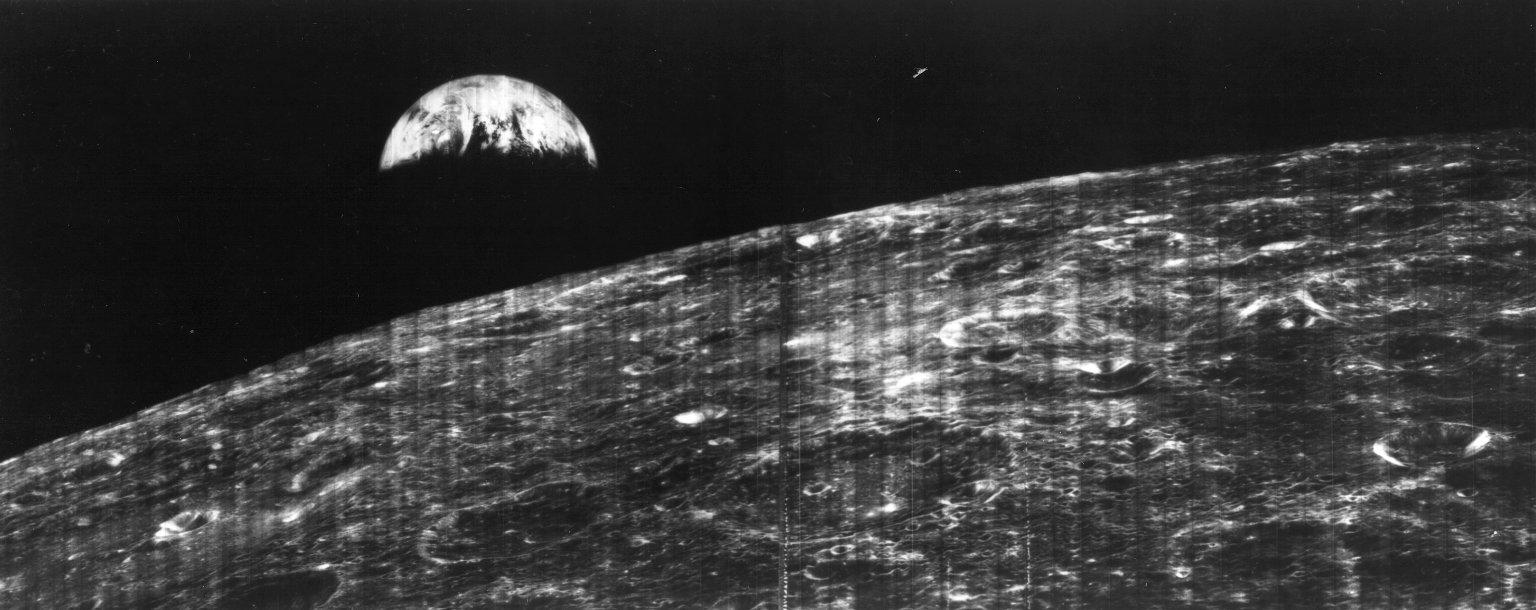
The first image is the world's first view of Earth taken by a #spacecraft from the vicinity of the #Moon.
The photo was transmitted to #Earth by the United States Lunar Orbiter I and received at the #NASA tracking station at Robledo De Chavela near Madrid, Spain.
This crescent of the Earth was photographed August 23, 1966 at 16:35 GMT when the spacecraft was on its 16th orbit and just about to pass behind the Moon.
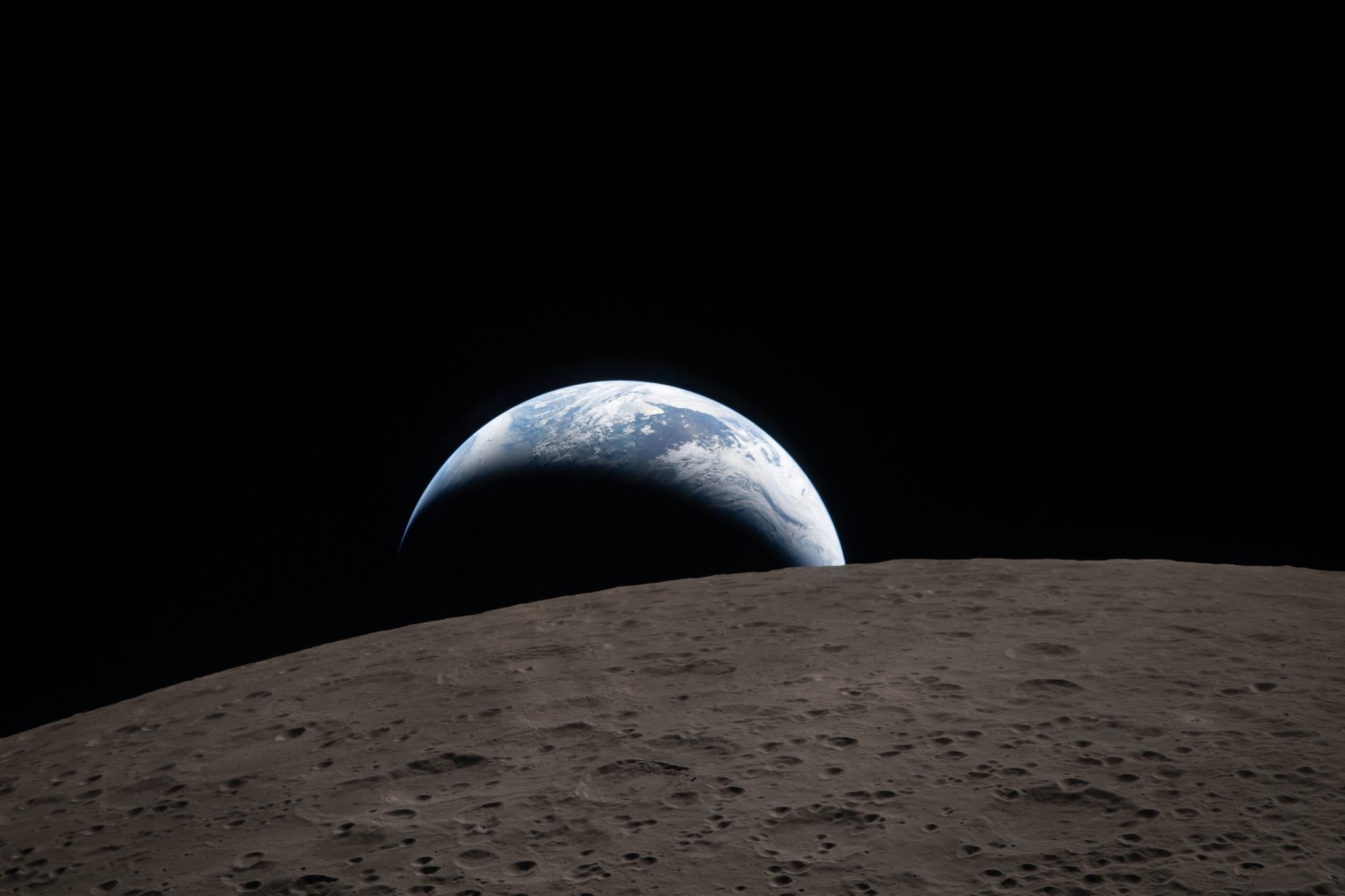
The second image is the earthset captured by the #Artemis II mission in 2026.
-
The difference that 60 years makes.
The first image is the world's first view of Earth taken by a #spacecraft from the vicinity of the #Moon.
The photo was transmitted to #Earth by the United States Lunar Orbiter I and received at the #NASA tracking station at Robledo De Chavela near Madrid, Spain.
This crescent of the Earth was photographed August 23, 1966 at 16:35 GMT when the spacecraft was on its 16th orbit and just about to pass behind the Moon.
The second image is the earthset captured by the #Artemis II mission in 2026.
@mustapipa to be more precise, this is 50 years difference in technology as they were using Nikon d5 camera, which is already 10 years old.
-
The difference that 60 years makes.
The first image is the world's first view of Earth taken by a #spacecraft from the vicinity of the #Moon.
The photo was transmitted to #Earth by the United States Lunar Orbiter I and received at the #NASA tracking station at Robledo De Chavela near Madrid, Spain.
This crescent of the Earth was photographed August 23, 1966 at 16:35 GMT when the spacecraft was on its 16th orbit and just about to pass behind the Moon.
The second image is the earthset captured by the #Artemis II mission in 2026.
@mustapipa and this is a comparison of the original and the reprocessed version of that first image, read back from the analog original tapes, but using modern technology.
Done by the Lunar Orbiter Image Recovery Project in 2008
https://en.wikipedia.org/wiki/Lunar_Orbiter_Image_Recovery_Project
-
The difference that 60 years makes.
The first image is the world's first view of Earth taken by a #spacecraft from the vicinity of the #Moon.
The photo was transmitted to #Earth by the United States Lunar Orbiter I and received at the #NASA tracking station at Robledo De Chavela near Madrid, Spain.
This crescent of the Earth was photographed August 23, 1966 at 16:35 GMT when the spacecraft was on its 16th orbit and just about to pass behind the Moon.
The second image is the earthset captured by the #Artemis II mission in 2026.
@mustapipa
In October of 1959, the Russian Luna 3 spacecraft launched and later took the first photos of the far side of the Moon.
NASA comparison of that and later LRO in 2009:
https://science.nasa.gov/resource/first-photo-of-the-lunar-far-side/I'm not convinced about sending people to the Moon (no matter if China or USA) and Mars rather than machines.
There needs to be co-operation, not competition to send people or exploit.
-
@mustapipa and this is a comparison of the original and the reprocessed version of that first image, read back from the analog original tapes, but using modern technology.
Done by the Lunar Orbiter Image Recovery Project in 2008
https://en.wikipedia.org/wiki/Lunar_Orbiter_Image_Recovery_Project
@TheDJ Many thanks, I wasn't aware of those. A much fairer comparison indeed.
-
@mustapipa to be more precise, this is 50 years difference in technology as they were using Nikon d5 camera, which is already 10 years old.
@tymwol Not sure if they used the newest cameras in 1966 either...
-
The difference that 60 years makes.
The first image is the world's first view of Earth taken by a #spacecraft from the vicinity of the #Moon.
The photo was transmitted to #Earth by the United States Lunar Orbiter I and received at the #NASA tracking station at Robledo De Chavela near Madrid, Spain.
This crescent of the Earth was photographed August 23, 1966 at 16:35 GMT when the spacecraft was on its 16th orbit and just about to pass behind the Moon.
The second image is the earthset captured by the #Artemis II mission in 2026.
@mustapipa Didn't we get an almost-as-good image already in Dec. 1968?
-
@tymwol Not sure if they used the newest cameras in 1966 either...
The first picture wasn't limited by camera technology but by communications. The first space based image of the Earth was 20 years earlier, taken on film by a rocket that parachuted the camera back to surface. Lunar Orbiter didn't have that option..
https://en.wikipedia.org/wiki/Timeline_of_first_images_of_Earth_from_space
@mustapipa @tymwol -
 J jwcph@helvede.net shared this topic