The way that you, as an adult, react to creatures has a massive impact on young people watching you.
-
@futurebird 1/2
when I took Human Computer Interaction in college, our professor spent an entire section, with several research papers as assigned reading on how important it is to explain to new users of an interface what things are, where they are expected to look for what, and so forth, even if it seems obvious.@futurebird 2/2
There was even a paper on the Dorling Kindersley educational books for children, then infamous for having "swarms of pointless obvious labels everywhere", which showed that, actually, the labels on seemingly obvious things WERE helpful, not just for children, but for college age adults and working professionals. -
@londondreamtime @futurebird exactly. My father, who is also a marine biologist, got me interested in #polychaete worms from an early age. We had to invent our own names, as they had only Latin names. My favourites were the green rubber band worm and the red rubber band worm

@jakobtougaard @futurebird I love that!!
-
The way that you, as an adult, react to creatures has a massive impact on young people watching you.
If you scream when you see a bee, they will scream too. After all you have survived in this world much longer than they have and you are scared, so they need to be scared too.
Even if you are scared you can model better reactions. And it works really well.
@futurebird Yes, this was a bit surprising for me to learn not too long ago.
https://www.youtube.com/watch?v=3L4lxusff1c
"Babies, even when they're very young are very, very good at watching the eyes and the emotional expression of their caregivers.
And so if something new or weird or different occurs the child will often check in with their caregiver's face to go: "Is this something I need to worry about or not?""
-
Bees and wasps will be attracted to people with some perfumes on. So if a kid tells you a bee is chasing them, it might be true.
If you are taking your urban kids to some place with... creatures ... remind them not to wear perfumes or flowery soaps if they can help it.
If a bee or wasp starts doing this it's best to stay still. She will realize there isn't a flower and leave but if she get swatted at she may get scared and then you have a problem.
@futurebird Also, in my experience, some people's sweat is more attractive to certain flying creatures than other people's. My family know that I will be the least attractive to any bee, wasp, gnat in the vicinity. It is always good to model the best behaviour for the desired outcome when you're an adult - unfortunately, many adults haven't learnt this, or have poor responses from what they learned from their parents, and have left them unfettered. Panic or worry is infectious.
-
Another not totally obvious thing I've learned when teaching young people (and some adults...) about insects is that when you show them a photo of an insect it helps to point out "this is her head, her eyes are right here, she is eating nectar in this photo"
Sometimes people who don't look at bugs often don't understand which end is which. I've gotten the reaction "oooh! she's cute" after explaining this so often that I'm convinced it's important.
Otherwise it's just a jumble of legs!
@futurebird The one thing I've learned in my years of taking photos of insects and spiders is also to communicate to others who might be open to it but aren't sure yet, what you like about this little bug you're giving your attention to. In one iNat photo meeting we had someone with us who was interested in plants and birds while everyone else was looking for insects together and he just asked us questions like why that seemingly boring stinkbug is cool and actually considered that maybe we are onto something. If you're telling a cool bug fact to a kid - that's a new fan of that extremely cool bug.
-
@futurebird Also, in my experience, some people's sweat is more attractive to certain flying creatures than other people's. My family know that I will be the least attractive to any bee, wasp, gnat in the vicinity. It is always good to model the best behaviour for the desired outcome when you're an adult - unfortunately, many adults haven't learnt this, or have poor responses from what they learned from their parents, and have left them unfettered. Panic or worry is infectious.
In the 90s, I 'briefly' lived with a young woman who had two cats, and her lounge carpet was ALIVE with cat-fleas. I did comment about it to her, and her take was "well, they don't ever bite ME! It must be YOU!"
-
@futurebird The one thing I've learned in my years of taking photos of insects and spiders is also to communicate to others who might be open to it but aren't sure yet, what you like about this little bug you're giving your attention to. In one iNat photo meeting we had someone with us who was interested in plants and birds while everyone else was looking for insects together and he just asked us questions like why that seemingly boring stinkbug is cool and actually considered that maybe we are onto something. If you're telling a cool bug fact to a kid - that's a new fan of that extremely cool bug.
@futurebird But also - If you're telling a terrifying fact to a kid ... just don't go for "bites its victims in the head to liquify their insides" unless that kid is really into monsters. Might be a cool fact but maybe "Builds its net every morning with everything in mind that happened the day before so the net becomes stronger and more adapted to the surroundings every single day" might be more appropriate.
-
The way that you, as an adult, react to creatures has a massive impact on young people watching you.
If you scream when you see a bee, they will scream too. After all you have survived in this world much longer than they have and you are scared, so they need to be scared too.
Even if you are scared you can model better reactions. And it works really well.
@futurebird last summer I had some wasps buzzing around while I was eating a blizzard outside a Dairy Queen, and when people started flapping their hands and standing up, I showed them that you can just tap a little scoop out on the far end of the table and they’ll all go over there and leave you, um, be.
People looking at me like a Martian when I said, these guys are out here trying to make a buck just like the rest of us, make it easy for them and they’ll mind their own business.
-
@londondreamtime @futurebird exactly. My father, who is also a marine biologist, got me interested in #polychaete worms from an early age. We had to invent our own names, as they had only Latin names. My favourites were the green rubber band worm and the red rubber band worm
@jakobtougaard @londondreamtime
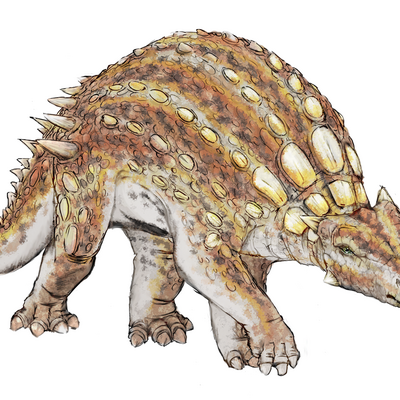
Using this as an excuse to share my drawing of a bobbit worm
-
@futurebird 1/2
when I took Human Computer Interaction in college, our professor spent an entire section, with several research papers as assigned reading on how important it is to explain to new users of an interface what things are, where they are expected to look for what, and so forth, even if it seems obvious.I would give that professor a kiss if I could. so many "manuals" and "help" sections are completely useless. there's just instructions on what steps to take but with zero information about where anything is on the screen. it's maddening.
-
@futurebird I have a modest proposal
-
The way that you, as an adult, react to creatures has a massive impact on young people watching you.
If you scream when you see a bee, they will scream too. After all you have survived in this world much longer than they have and you are scared, so they need to be scared too.
Even if you are scared you can model better reactions. And it works really well.
@futurebird unless of course you're a child that doesn't trust any adults.
-
In the 90s, I 'briefly' lived with a young woman who had two cats, and her lounge carpet was ALIVE with cat-fleas. I did comment about it to her, and her take was "well, they don't ever bite ME! It must be YOU!"
no thank you
-
@jakobtougaard @londondreamtime
Using this as an excuse to share my drawing of a bobbit worm
@futurebird @londondreamtime beautiful!
-
@futurebird unless of course you're a child that doesn't trust any adults.
Even kids who don't trust what adults *say* will still watch how they react to things and use that to inform their own reactions.
Thought it's always sad when a child has had to learn that trusting adults isn't safe. It's a failure on the part of the adults in their life.
-
Even kids who don't trust what adults *say* will still watch how they react to things and use that to inform their own reactions.
Thought it's always sad when a child has had to learn that trusting adults isn't safe. It's a failure on the part of the adults in their life.
@futurebird basically, do the opposite of whatever the adults say and do is what I learned.
-
A strange possibly scary creature seems less strange when you can tell what it is doing and that it... you know has a head and likes to do things like eat just like you do.
A monster is a thing you can't understand at all, it could do anything. A little bee drinking nectar isn't a monster.
@futurebird and yet I have reacted with disgust and horror to a number of the creatures my children have brought me and it seems to have no effect at all.

They just keep bringing me crane fly larva and expecting me to love them as much as they do.
-
Bees and wasps will be attracted to people with some perfumes on. So if a kid tells you a bee is chasing them, it might be true.
If you are taking your urban kids to some place with... creatures ... remind them not to wear perfumes or flowery soaps if they can help it.
If a bee or wasp starts doing this it's best to stay still. She will realize there isn't a flower and leave but if she get swatted at she may get scared and then you have a problem.
@futurebird What about clothing colors? (Anecdotally, one particular yellow t-shirt of a friend of mine seemed to attract insects, but we might have confused ourselves by noticing only positive examples.) -
The way that you, as an adult, react to creatures has a massive impact on young people watching you.
If you scream when you see a bee, they will scream too. After all you have survived in this world much longer than they have and you are scared, so they need to be scared too.
Even if you are scared you can model better reactions. And it works really well.
完全同意。我小时候本来不怕虫子,但看到一个大人惊慌失措的样子,后来也变得很害怕。直到现在还在努力克服这种反射性的恐惧。
-
@futurebird What about clothing colors? (Anecdotally, one particular yellow t-shirt of a friend of mine seemed to attract insects, but we might have confused ourselves by noticing only positive examples.)
This is totally possible. Bees and wasps have excellent color vision and the colors of flowers are made to attract them.
They are also sensitive to UV colors that we can't see.
That we also think flowers are pretty and like how many of them smells just shows we have similar taste in such matters as bees.