Back in 1999 or so, I was on the team that helped Minnesota Public Radio choose a long-term storage format for their (extensive and valuable!!) audio archives, which they were about to digitize.
-
RE: https://glammr.us/@overholt/117049333496122205
Back in 1999 or so, I was on the team that helped Minnesota Public Radio choose a long-term storage format for their (extensive and valuable!!) audio archives, which they were about to digitize.
The conclusion we came to was that there was •no• storage medium that met their long-term preservation goals — true then, and almost certainly still true today. The best approach is perpetual and redundant forward copying of the data, from one physical storage device to another.
An archive isn’t a physical thing; it's a process.
@inthehands
There were some real research systems looking into this, and it makes me incredibly sad that they basically have all stopped because it's not immediately profitable.Living archives are always the functional solution, but it should still be something people work on!
The concept of immutable records should at least be appealing....
-
RE: https://glammr.us/@overholt/117049333496122205
Back in 1999 or so, I was on the team that helped Minnesota Public Radio choose a long-term storage format for their (extensive and valuable!!) audio archives, which they were about to digitize.
The conclusion we came to was that there was •no• storage medium that met their long-term preservation goals — true then, and almost certainly still true today. The best approach is perpetual and redundant forward copying of the data, from one physical storage device to another.
An archive isn’t a physical thing; it's a process.
@inthehands that's effectively the same advice I naively gave to my SiL back when she was in library school -- keep it online, and copy it forward.
-
RE: https://glammr.us/@overholt/117049333496122205
Back in 1999 or so, I was on the team that helped Minnesota Public Radio choose a long-term storage format for their (extensive and valuable!!) audio archives, which they were about to digitize.
The conclusion we came to was that there was •no• storage medium that met their long-term preservation goals — true then, and almost certainly still true today. The best approach is perpetual and redundant forward copying of the data, from one physical storage device to another.
An archive isn’t a physical thing; it's a process.
@inthehands We are still digging up ancient Sumerian receipts stored in cuneiform on baked clay.
-
RE: https://glammr.us/@overholt/117049333496122205
Back in 1999 or so, I was on the team that helped Minnesota Public Radio choose a long-term storage format for their (extensive and valuable!!) audio archives, which they were about to digitize.
The conclusion we came to was that there was •no• storage medium that met their long-term preservation goals — true then, and almost certainly still true today. The best approach is perpetual and redundant forward copying of the data, from one physical storage device to another.
An archive isn’t a physical thing; it's a process.
Buddhist non-attachment to old files is a pretty good strategy I find.
-
RE: https://glammr.us/@overholt/117049333496122205
Back in 1999 or so, I was on the team that helped Minnesota Public Radio choose a long-term storage format for their (extensive and valuable!!) audio archives, which they were about to digitize.
The conclusion we came to was that there was •no• storage medium that met their long-term preservation goals — true then, and almost certainly still true today. The best approach is perpetual and redundant forward copying of the data, from one physical storage device to another.
An archive isn’t a physical thing; it's a process.
@inthehands I’m no fan of theirs, but I heard recently about Microsoft’s Project Silica and found it a genuinely fascinating idea: https://www.microsoft.com/en-us/research/project/project-silica/
-
RE: https://glammr.us/@overholt/117049333496122205
Back in 1999 or so, I was on the team that helped Minnesota Public Radio choose a long-term storage format for their (extensive and valuable!!) audio archives, which they were about to digitize.
The conclusion we came to was that there was •no• storage medium that met their long-term preservation goals — true then, and almost certainly still true today. The best approach is perpetual and redundant forward copying of the data, from one physical storage device to another.
An archive isn’t a physical thing; it's a process.
@inthehands less technology, more librarians and archivists
-
RE: https://glammr.us/@overholt/117049333496122205
Back in 1999 or so, I was on the team that helped Minnesota Public Radio choose a long-term storage format for their (extensive and valuable!!) audio archives, which they were about to digitize.
The conclusion we came to was that there was •no• storage medium that met their long-term preservation goals — true then, and almost certainly still true today. The best approach is perpetual and redundant forward copying of the data, from one physical storage device to another.
An archive isn’t a physical thing; it's a process.
* [ see note ]
yes, I figured this out in 1990, which is why every 5 years or so I buy a bigger hard drive, which costs less, and just copy everything to the new hard drive
works for me
not elegant or very user friendly, but it is just me*getting shoulder strain patting myself on the back
-
RE: https://glammr.us/@overholt/117049333496122205
Back in 1999 or so, I was on the team that helped Minnesota Public Radio choose a long-term storage format for their (extensive and valuable!!) audio archives, which they were about to digitize.
The conclusion we came to was that there was •no• storage medium that met their long-term preservation goals — true then, and almost certainly still true today. The best approach is perpetual and redundant forward copying of the data, from one physical storage device to another.
An archive isn’t a physical thing; it's a process.
All storage media are volatile. Some media are just more volatile than others.
-
My current solution on my desktop is a btrfs partition with a bunch of random drives and a nightly job that rebalances the data across them if it needs to be (time boxed to 1 hour per night, restarts the night after it ends)
Its not quite zero touch but it does mean that if I replace a drive then it will slowly get redundant copies of data over the next few nights. The big failure mode is that it is not resistant to multiple drives failing before the first one is rebalanced
@gbargoud @inthehands But isn't the fact that it's in your home another potential failure mode? A house fire can undo all your careful rebalancing in an hour. (Of course, you don't mention offsite storage; you could have a copy at your sister's or something.)
-
RE: https://glammr.us/@overholt/117049333496122205
Back in 1999 or so, I was on the team that helped Minnesota Public Radio choose a long-term storage format for their (extensive and valuable!!) audio archives, which they were about to digitize.
The conclusion we came to was that there was •no• storage medium that met their long-term preservation goals — true then, and almost certainly still true today. The best approach is perpetual and redundant forward copying of the data, from one physical storage device to another.
An archive isn’t a physical thing; it's a process.
I did the same for the Alberta Provincial Archives.
Same conclusion.
Most of their material was on microfilm, which was beginning to perish. Early 1980s.
-
RE: https://glammr.us/@overholt/117049333496122205
Back in 1999 or so, I was on the team that helped Minnesota Public Radio choose a long-term storage format for their (extensive and valuable!!) audio archives, which they were about to digitize.
The conclusion we came to was that there was •no• storage medium that met their long-term preservation goals — true then, and almost certainly still true today. The best approach is perpetual and redundant forward copying of the data, from one physical storage device to another.
An archive isn’t a physical thing; it's a process.
@inthehands - I remember a conversation with Ciaran McGinley at the EPO about his push for continuous media cycling to ensure that readers still functioned for the chosen medium.
-
RE: https://glammr.us/@overholt/117049333496122205
Back in 1999 or so, I was on the team that helped Minnesota Public Radio choose a long-term storage format for their (extensive and valuable!!) audio archives, which they were about to digitize.
The conclusion we came to was that there was •no• storage medium that met their long-term preservation goals — true then, and almost certainly still true today. The best approach is perpetual and redundant forward copying of the data, from one physical storage device to another.
An archive isn’t a physical thing; it's a process.
@inthehands LOCKSS (Lots of Copies Keep Stuff Safe) tries to mitigate the problem of integrity when copying files forward. TL:DR - min 4 copies with continuous file integrity checks.
(edit: it's mentioned in the Gizmodo article)
-
RE: https://glammr.us/@overholt/117049333496122205
Back in 1999 or so, I was on the team that helped Minnesota Public Radio choose a long-term storage format for their (extensive and valuable!!) audio archives, which they were about to digitize.
The conclusion we came to was that there was •no• storage medium that met their long-term preservation goals — true then, and almost certainly still true today. The best approach is perpetual and redundant forward copying of the data, from one physical storage device to another.
An archive isn’t a physical thing; it's a process.
@inthehands data storage is the easy part. Being able to decode the stored data long after the computers that wrote it are obsolete and no machine is available that can run the old binaries is the fun part. Even if you have carefully forward copied all the bits onto media you can read, the bits are just the starting point.
-
@gbargoud @inthehands But isn't the fact that it's in your home another potential failure mode? A house fire can undo all your careful rebalancing in an hour. (Of course, you don't mention offsite storage; you could have a copy at your sister's or something.)
Yes that is true but that's the same failure mode of every single site storage system, including libraries as in the original quoted post. Having additional redundancy in multiple locations is important for some information but each location needs to have that kind of maintenance happening for properly long term storage
-
RE: https://glammr.us/@overholt/117049333496122205
Back in 1999 or so, I was on the team that helped Minnesota Public Radio choose a long-term storage format for their (extensive and valuable!!) audio archives, which they were about to digitize.
The conclusion we came to was that there was •no• storage medium that met their long-term preservation goals — true then, and almost certainly still true today. The best approach is perpetual and redundant forward copying of the data, from one physical storage device to another.
An archive isn’t a physical thing; it's a process.
@inthehands Related: https://www.lockss.org/
-
RE: https://glammr.us/@overholt/117049333496122205
Back in 1999 or so, I was on the team that helped Minnesota Public Radio choose a long-term storage format for their (extensive and valuable!!) audio archives, which they were about to digitize.
The conclusion we came to was that there was •no• storage medium that met their long-term preservation goals — true then, and almost certainly still true today. The best approach is perpetual and redundant forward copying of the data, from one physical storage device to another.
An archive isn’t a physical thing; it's a process.
@inthehands the quipy way I've heard this described is that in archival efforts, you dont have "storage," you have "movage."
-
RE: https://glammr.us/@overholt/117049333496122205
Back in 1999 or so, I was on the team that helped Minnesota Public Radio choose a long-term storage format for their (extensive and valuable!!) audio archives, which they were about to digitize.
The conclusion we came to was that there was •no• storage medium that met their long-term preservation goals — true then, and almost certainly still true today. The best approach is perpetual and redundant forward copying of the data, from one physical storage device to another.
An archive isn’t a physical thing; it's a process.
My preservation strategy is, no joke, a Nextcloud server that backs itself up on top of the data it contains - then pushes it to my desktop and laptop and partly to my smartphone. Bam, triple redundancy -
RE: https://glammr.us/@overholt/117049333496122205
Back in 1999 or so, I was on the team that helped Minnesota Public Radio choose a long-term storage format for their (extensive and valuable!!) audio archives, which they were about to digitize.
The conclusion we came to was that there was •no• storage medium that met their long-term preservation goals — true then, and almost certainly still true today. The best approach is perpetual and redundant forward copying of the data, from one physical storage device to another.
An archive isn’t a physical thing; it's a process.
@inthehands I've worked in numerical banks that archive their records. They generally use high quality optical storage. Gold or silver based cdr or mdisk. Both thought to last 30-100 years
-
RE: https://glammr.us/@overholt/117049333496122205
Back in 1999 or so, I was on the team that helped Minnesota Public Radio choose a long-term storage format for their (extensive and valuable!!) audio archives, which they were about to digitize.
The conclusion we came to was that there was •no• storage medium that met their long-term preservation goals — true then, and almost certainly still true today. The best approach is perpetual and redundant forward copying of the data, from one physical storage device to another.
An archive isn’t a physical thing; it's a process.
@inthehands
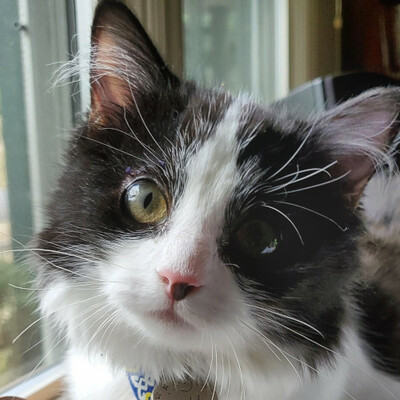
That's totally true. I watched a French documentary on long term nuclear waste storage sites which have to keep them for many centuries (millenia even!) and they were researching solutions to keep instructions on how to (not) handle and keep away from the site for future generations (civilisations even) who won't even speak speak the same language. They chose acid free paper in climate controlled rooms for the first decades and century. They were also speaking about genetically engineering a new bread of cats to glow near nuclear material and had some idea on songs about being fearful of glowing cats because it meant danger. They say that's how stories travel through millenias and that could help future people to not access the dangerous zones of the site, even after a civilisation collapse. Far fetched but interesting. -
@inthehands I've worked in numerical banks that archive their records. They generally use high quality optical storage. Gold or silver based cdr or mdisk. Both thought to last 30-100 years
@Eurospoofer @inthehands You still have to solve the availability of reading hardware and software in 100 years.