Good morning Mastodon!
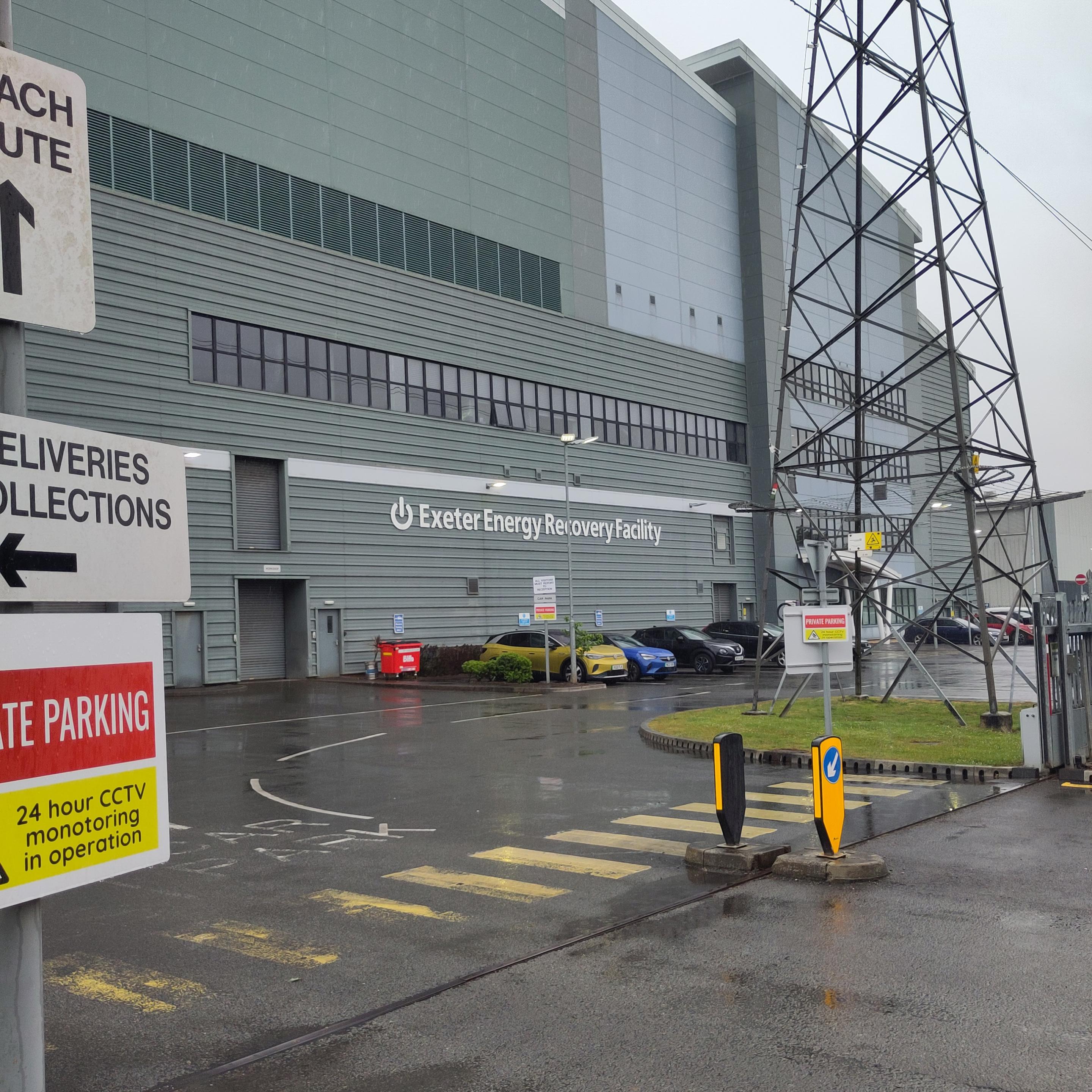
-
Here's a schematic of the process.
So starting at the beginning of the proccess, waste collection lorries drive in and drop residual waste into this great big pit that may or may not have a giant space octopus at the bottom
-
So starting at the beginning of the proccess, waste collection lorries drive in and drop residual waste into this great big pit that may or may not have a giant space octopus at the bottom
Waste is then collected from the pit using this giant claw and dropped into the hopper feeding the kiln
-
Waste is then collected from the pit using this giant claw and dropped into the hopper feeding the kiln
When we visited the world's biggest claw machine was operated by an extremely tolerant bloke called Ashley, who very good naturedly answered all our questions while trying to get on with his job. A couple of people told him he had the coolest job in the world, to which he replied that it had been for the first six hours or so but after that it got a bit boring.
-
When we visited the world's biggest claw machine was operated by an extremely tolerant bloke called Ashley, who very good naturedly answered all our questions while trying to get on with his job. A couple of people told him he had the coolest job in the world, to which he replied that it had been for the first six hours or so but after that it got a bit boring.
The reason waste is manually dropped into the kiln by a bloke in fancy chair, instead of just fed in automatically by gravity or something, is to make sure that nothing too big goes in that would block the hopper but also to make sure no animals or people end up falling in. As the plant runs continually apart from planned shutdowns for maintenance there is a bloke doing this 24/7, as well as support staff on site at all times. There are always at least two people in the control room.
-
The reason waste is manually dropped into the kiln by a bloke in fancy chair, instead of just fed in automatically by gravity or something, is to make sure that nothing too big goes in that would block the hopper but also to make sure no animals or people end up falling in. As the plant runs continually apart from planned shutdowns for maintenance there is a bloke doing this 24/7, as well as support staff on site at all times. There are always at least two people in the control room.
The actual incineration and heat generation takes place in a giant rotary kiln, which looks like a gigantic insulated cement mixers. The best I can do for you for a picture right now is some fire on a screen I'm afraid, there was a great photo of it being lowered in to place with a person for scale in the presentation and I assumed I'd be able to find that on the internet somewhere but I haven't been able to. I'll add it hen I get the email of the presentation.
-
The actual incineration and heat generation takes place in a giant rotary kiln, which looks like a gigantic insulated cement mixers. The best I can do for you for a picture right now is some fire on a screen I'm afraid, there was a great photo of it being lowered in to place with a person for scale in the presentation and I assumed I'd be able to find that on the internet somewhere but I haven't been able to. I'll add it hen I get the email of the presentation.
@afewbugs Literally rode past it not half an hour ago!
-
The actual incineration and heat generation takes place in a giant rotary kiln, which looks like a gigantic insulated cement mixers. The best I can do for you for a picture right now is some fire on a screen I'm afraid, there was a great photo of it being lowered in to place with a person for scale in the presentation and I assumed I'd be able to find that on the internet somewhere but I haven't been able to. I'll add it hen I get the email of the presentation.
The rotary kiln for the Exeter plant was built in France, managed to cross the whole of France on an articulated lorry, was successfully shipped across the channel and driven across most of Southern England, then got stuck on a narrow road through the Haldon Hills and had to be extracted by crane.
-
The rotary kiln for the Exeter plant was built in France, managed to cross the whole of France on an articulated lorry, was successfully shipped across the channel and driven across most of Southern England, then got stuck on a narrow road through the Haldon Hills and had to be extracted by crane.
@afewbugs Your rubbish thread today is pure 100% treasure


-
The Marsh Barton facility isn't actually owned by the council, it has a contract with company Viridor which it pays to operate it. This is all utterly insane and probably Margaret Thatcher's fault.
@afewbugs Things mostly are.
-
The rotary kiln for the Exeter plant was built in France, managed to cross the whole of France on an articulated lorry, was successfully shipped across the channel and driven across most of Southern England, then got stuck on a narrow road through the Haldon Hills and had to be extracted by crane.
Actually I can do a bit better than fire on a screen. I hope you like videos of the edge of something rotating very slowly just about visible between bits of an industrial facility Mastodon.
-
The reason waste is manually dropped into the kiln by a bloke in fancy chair, instead of just fed in automatically by gravity or something, is to make sure that nothing too big goes in that would block the hopper but also to make sure no animals or people end up falling in. As the plant runs continually apart from planned shutdowns for maintenance there is a bloke doing this 24/7, as well as support staff on site at all times. There are always at least two people in the control room.
@afewbugs I've been to the Oxfordshire one, looks very similar. There were two grabs with potentially two operators, although only one human in place when we visited. The grabs here did operate remotely/automatically over night. The manual input was required to stir/mix the input
-
Actually I can do a bit better than fire on a screen. I hope you like videos of the edge of something rotating very slowly just about visible between bits of an industrial facility Mastodon.
Waste gases coming out of the kiln are mostly carbon dioxide from the combustion of all those carbon-based plastics that didn't make it to recycling and organic materials. They shared this interesting slide of what residual waste is actually made up of, after doing an extensive and probably deeply unpleasant survey separating out and weighing the contents of those bags. A depressing amount could have been composted or recycled
-
Waste gases coming out of the kiln are mostly carbon dioxide from the combustion of all those carbon-based plastics that didn't make it to recycling and organic materials. They shared this interesting slide of what residual waste is actually made up of, after doing an extensive and probably deeply unpleasant survey separating out and weighing the contents of those bags. A depressing amount could have been composted or recycled
Within the carbon dioxide are various toxic gases, which are neutralised chemically, and heavy metals and other particulates which are extracted by filter to produce fly ash. This is then neutralised by this company to produce building aggregates: https://oco.co.uk
You can see emissions data for the plant here: https://www.viridor.co.uk/exeter-emissions-data/
-
Within the carbon dioxide are various toxic gases, which are neutralised chemically, and heavy metals and other particulates which are extracted by filter to produce fly ash. This is then neutralised by this company to produce building aggregates: https://oco.co.uk
You can see emissions data for the plant here: https://www.viridor.co.uk/exeter-emissions-data/
Everything that doesn't burn up in the kiln comes out of the bottom and gets turned into aggregate. I hope you like boxes of rocks Mastodon.
-
Waste gases coming out of the kiln are mostly carbon dioxide from the combustion of all those carbon-based plastics that didn't make it to recycling and organic materials. They shared this interesting slide of what residual waste is actually made up of, after doing an extensive and probably deeply unpleasant survey separating out and weighing the contents of those bags. A depressing amount could have been composted or recycled
@afewbugs HHW = hazardous household waste
-
Everything that doesn't burn up in the kiln comes out of the bottom and gets turned into aggregate. I hope you like boxes of rocks Mastodon.
Ferrous metals get pulled out by an electromagnet. Non ferrous metals melt into these weird modern art type sculptures that clog up the pipes and are the reason the plant has to be periodically shut down for maintenance to remove them. So I guess the moral is don't put metal in your non recyclable waste, but if you're going to only put ferrous metal?
-
@afewbugs HHW = hazardous household waste
@tops thanks, edited!
-
Everything that doesn't burn up in the kiln comes out of the bottom and gets turned into aggregate. I hope you like boxes of rocks Mastodon.
@afewbugs we *love* #BoxesOfRocks
srsly this is the most joyful pic so far (after Ashley with his fancy chair)
-
Everything that doesn't burn up in the kiln comes out of the bottom and gets turned into aggregate. I hope you like boxes of rocks Mastodon.
@afewbugs fascinating thread, thanks! (I've visited the one at Ferrybridge, but didn't get a tour)
-
Waste is then collected from the pit using this giant claw and dropped into the hopper feeding the kiln